Skip to content
Home/How it works
how it works

From synthesis to your door,
nothing hidden.

Every vial takes the same path: made in a certified facility, purified, freeze-dried, checked by a laboratory we don't own, and packed cold with its certificate. Here is each step, and what you get to see of it.

Shop the collection Browse the lab reportsLab reports
01

Made carefully.

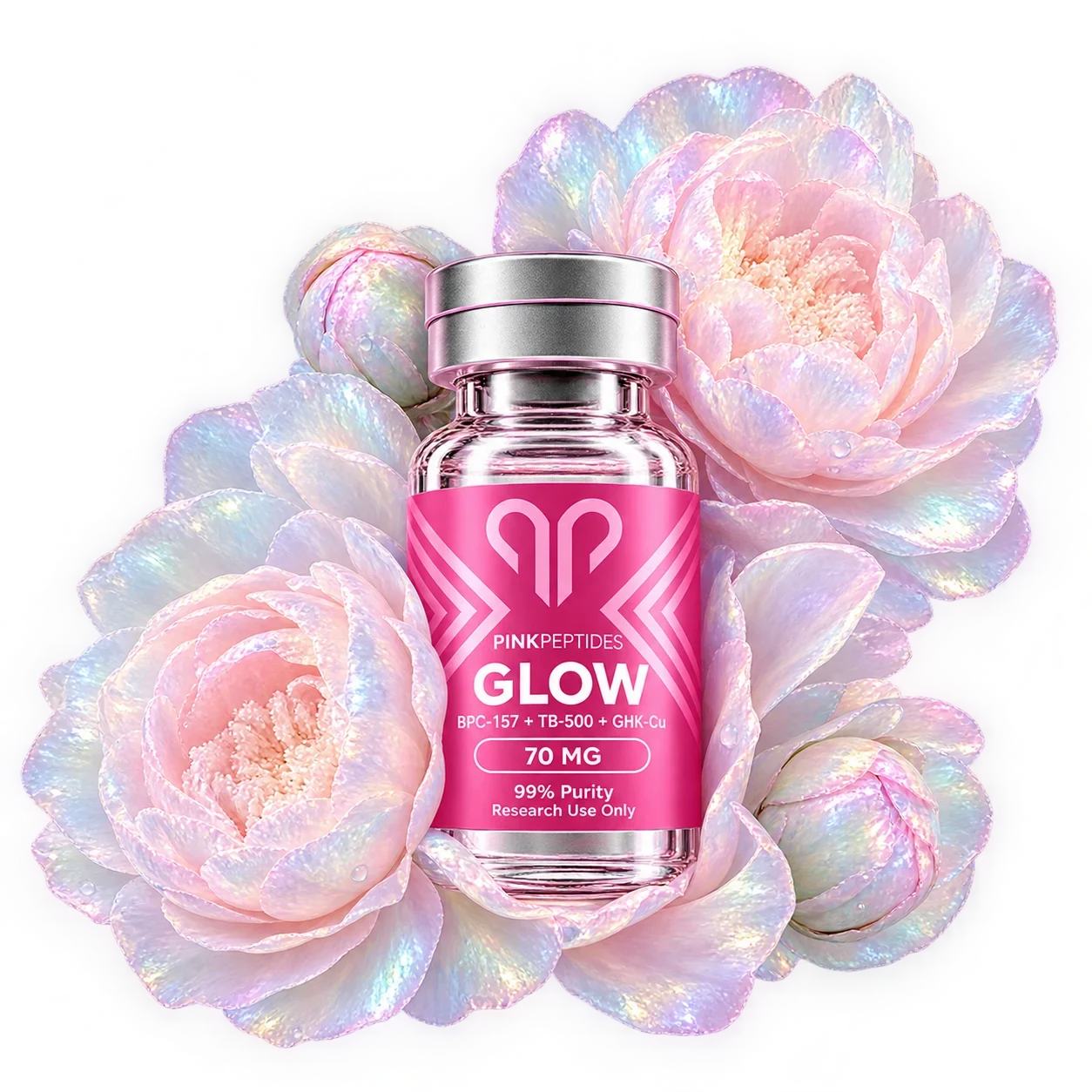
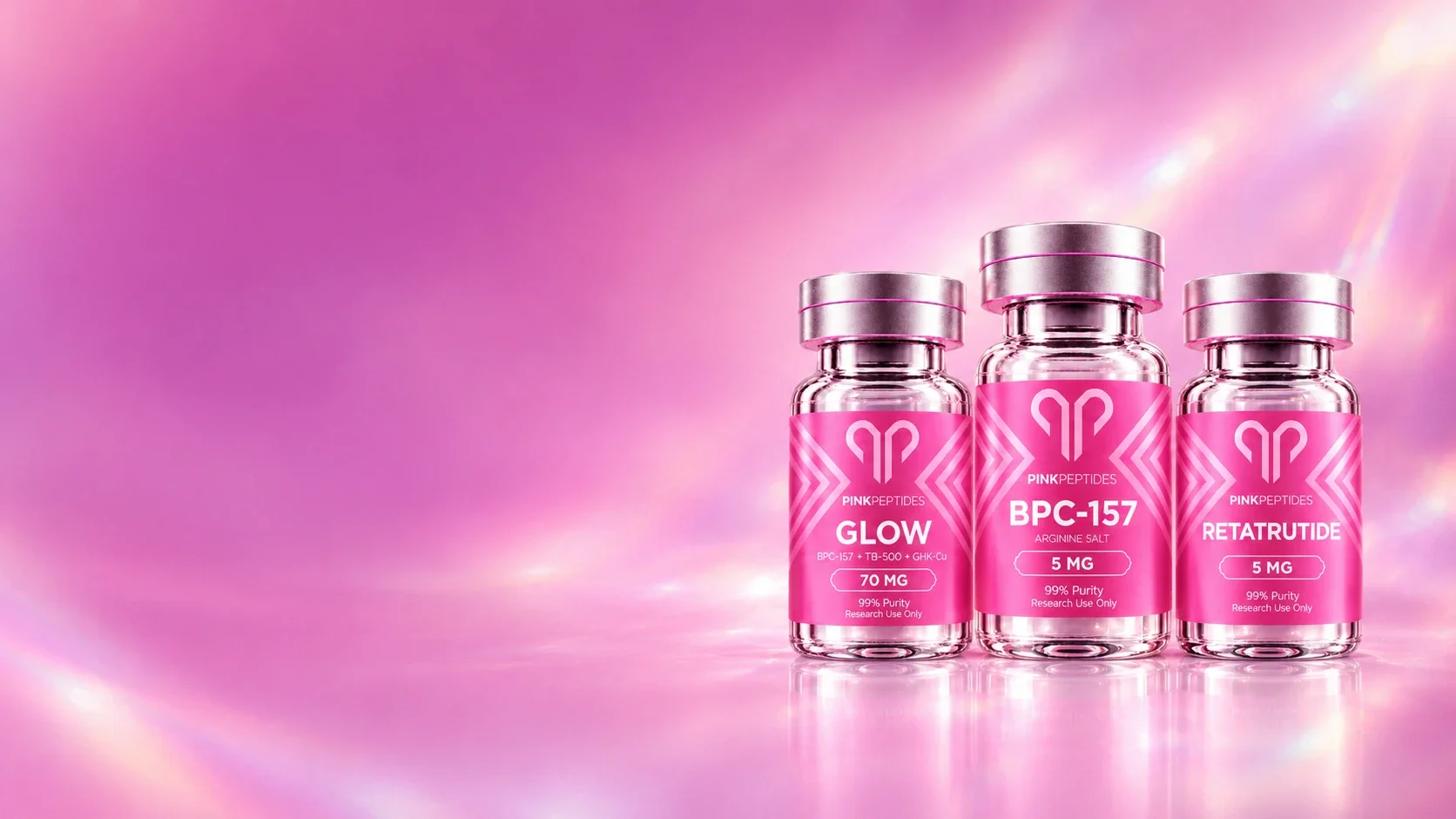
Each peptide is built by solid-phase synthesis and purified by HPLC against a ≥ 99% specification. It is then freeze-dried under vacuum into a stable cake and sealed under nitrogen, so the powder in the vial stays dry. Before the vial leaves the facility, the full formula and the lot number are printed on the front of the label.

  • —Solid-phase synthesis, purified by HPLC to a ≥ 99% specification
  • —Lyophilised under vacuum, then sealed under nitrogen
  • —Every peptide in the vial, and the amount of each, printed on the front of the label
  • —Lot number assigned at fill, and carried through to the certificate
  • —Made in a certified facility
Pink Peptides research peptide vial being sealed under nitrogen after freeze-drying
02

Checked by someone else.

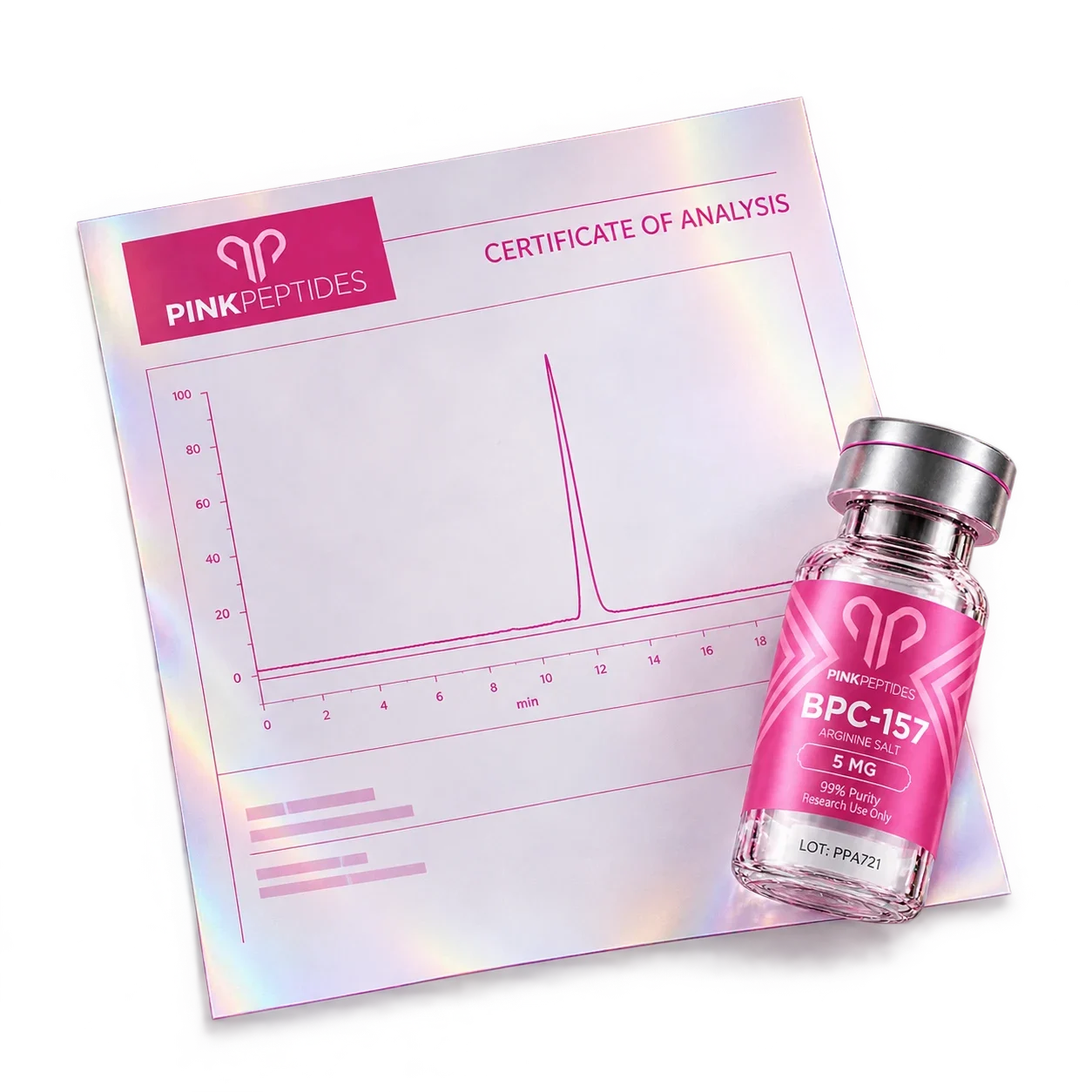
A sealed retail sample is drawn at random from every batch and sent to an independent laboratory before the batch is released. The laboratory has no stake in the result. When the certificate comes back it is published on the lab reports page, and a printed copy ships in the box with the vial the batch produced.

Release rule. A batch that does not meet the ≥ 99% purity specification is not released for sale.

The lot number on the label, the certificate in the box and the certificate published here are the same number. If they ever disagree, tell us before anything else.

Browse the lab reports
Pink Peptides certificate of analysis showing identity, purity and endotoxin results for a single lot

Results apply to the lot stated. Testing is performed on a sealed retail sample drawn at random from that batch.

03

Signed, sealed, and delivered.

Orders placed before 2 pm ET on a business day leave the same day.

  • —Same-day dispatch on orders placed before 2 pm ET, Monday to Friday
  • —2-day tracked US delivery
  • —Arrived damaged? Send a photo within 48 hours and we replace it, with nothing to return
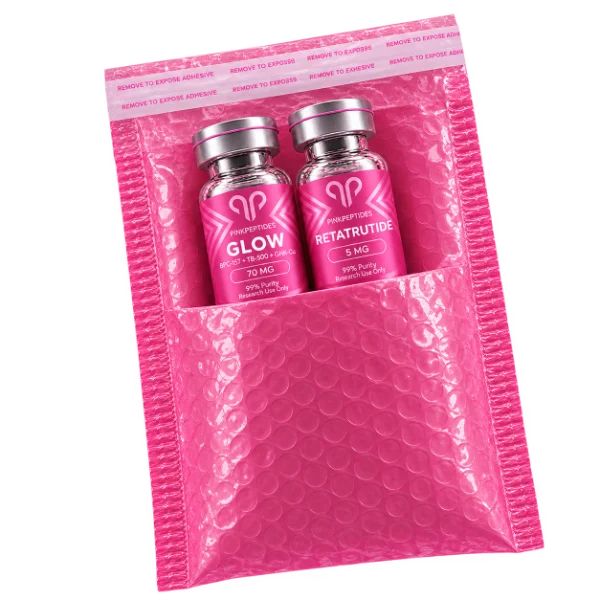
Pink Peptides order packed with gel packs in an insulated mailer
International orders
Pink Peptides also ships outside the US. International orders take longer than US orders and pass through customs, and the researcher placing the order is responsible for confirming that the compounds ordered may lawfully be imported into their jurisdiction, and for any duties or charges raised. Pink Peptides cannot give legal advice.
what arrives

Four things in one box.

01

The vial

One sealed lyophilised vial, with the full formula, the vial size and the lot number printed on the front of the label.

02

A desiccant pack

A small sachet that keeps moisture away from the sealed vial. It is not part of the product.

03

A storage card

The storage temperature, the shelf life and the lot number for that vial, on a card that stays with it.

04

The batch certificate

A printed copy of the independent laboratory report for the exact lot in the box, matched to the lot number on the label.

A kit of ten ships as ten sealed vials in one gel-cooled mailer, with one certificate covering the batch.

after it arrives

Three things to do when it arrives.

Step 1

Refrigerate it

Sealed lyophilised vials are stored at 2–8 °C, protected from light. For longer storage they can be frozen. Pink Peptides vials carry a 24-month shelf life sealed at 2–8 °C.

Step 2

Check the lot number

The lot number on the label should match the certificate in the box, and the certificate published on the lab reports page. Three places, one number.

Step 3

Read the storage card

The card in the box repeats the storage temperature, the shelf life and the lot number for that vial, so the details stay with the vial rather than in an email.

the paperwork

How to read a certificate.

A certificate of analysis, or COA, is a laboratory report for a specific batch of material. It states what the material is, how pure it is, and what else the laboratory found. A COA applies only to the lot it names, which is why the lot number on a vial should match the certificate.

Browse the lab reports

Identity — usually LC–MS

Liquid chromatography paired with mass spectrometry weighs the molecule. If the measured mass matches the known mass of the peptide named on the label, the material is what it claims to be. A certificate with a purity figure but no identity test tells you the sample is pure, without saying pure what.

Purity — usually RP-HPLC

Reverse-phase high-performance liquid chromatography separates the sample into its parts and reports each as a percentage of the total. A result of 99.2%, to take an example, means the named peptide accounts for 99.2% of what the instrument detected; the rest is related peptides and process residue. Look for the chromatogram itself, not only the number: a single sharp peak is the point.

Endotoxin — LAL assay

Endotoxins are fragments of bacterial cell wall that survive sterilisation, and the limulus amebocyte lysate assay measures them. The result is given per milligram, so a lower number is a cleaner preparation.

Net peptide content

The powder in a vial is not all peptide: some of the mass is counter-ions and residual water. Net peptide content states how much of the vial is the peptide itself. It is the figure that makes two vials of the same nominal size comparable, and the one most often left off a certificate.

Lot number and date

A certificate is only evidence for the lot it names. Check that the lot matches the label, and that the test date sits before the fill date rather than years earlier.

What a certificate does not tell you: a COA reports on the sample the laboratory tested from the lot named on it. It is not an approval, a clearance or a statement of fitness for any use, and it says nothing about any application of the material.

ready? Browse the 17 products. Shop the collection →
want the proof first? Every batch, on the record. Browse the lab reports →
good questions

Asked about the process.

Pink Peptides peptides are made by solid-phase synthesis in a certified facility, purified by HPLC against a ≥ 99% specification, freeze-dried under vacuum and sealed under nitrogen. Each vial is filled, given a lot number, and labelled with its full formula on the front before it leaves the facility.

Every batch is tested by an independent laboratory before release. Identity is confirmed by LC–MS, purity by RP-HPLC against a ≥ 99% specification, water content by Karl Fischer titration, and endotoxin by LAL assay.

Three results matter most. Identity, usually by LC–MS, confirms the molecule's mass matches the label. Purity, usually by RP-HPLC, shows what percentage of the material is the peptide itself. Endotoxin, by LAL assay, screens for bacterial contamination. Net peptide content is also worth checking, because it tells you how much peptide is in the vial rather than how much powder.

A Pink Peptides order contains the sealed vial, a desiccant pack, a storage card giving the storage temperature, shelf life and lot number for that vial, and a printed copy of the independent laboratory certificate for that exact batch. Everything ships gel-cooled in a plain, unbranded mailer.

Orders placed before 2 pm ET on a business day leave the same day. US delivery is 2-day tracked, and every order ships gel-cooled in an insulated mailer.

Research use only. Sold strictly for laboratory research and in-vitro experimentation by qualified professionals. Not a drug, food, cosmetic or medical device. Not approved for human or veterinary use, and not to be administered to humans or animals. Pink Peptides does not provide dosing, administration, reconstitution amounts, protocols or any usage guidance. You must be 21 or older to order.